Understanding Michigan's New PTO Law: Compliance & Impact for Businesses

Basil A
Published on 18 March 2025
Key Takeaways
- The Michigan Earned Sick Time Act (ESTA) will take effect on February 21, 2025, replacing the existing Paid Medical Leave Act.
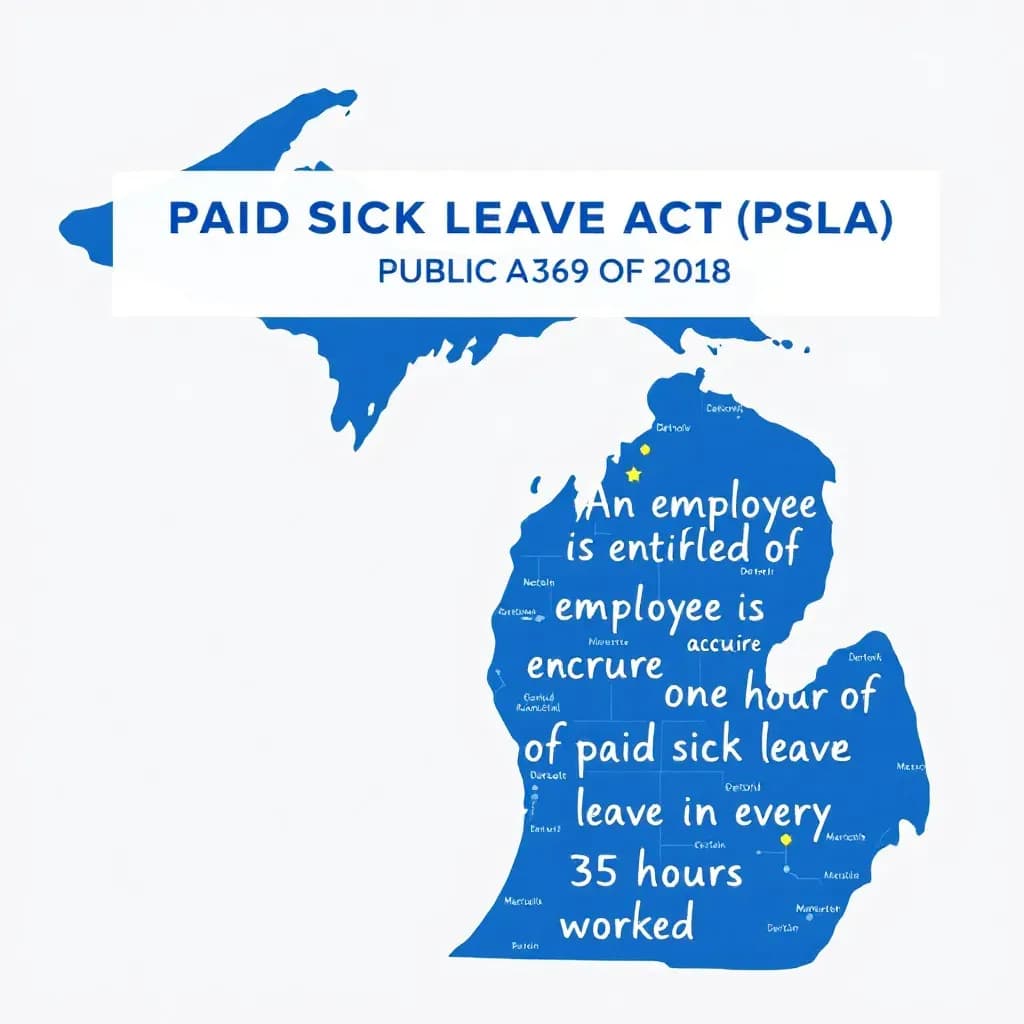
- Employers with 50 or more employees must provide paid medical leave at a minimum accrual rate of one hour for every 35 hours worked, totaling up to 40 hours annually.
- Key compliance requirements include accurate documentation, employee education, and systematic policy updates to align with the new law.
Introduction
Understanding Michigan's new Paid Time Off (PTO) law isn't just about meeting legal obligations; it's a transformative adjustment that can significantly alter workplace dynamics for many local businesses. Starting February 21, 2025, the Michigan Earned Sick Time Act (ESTA) will replace the current Paid Medical Leave Act, ushering in changes that every HR manager and small business owner must comprehend and implement.
Why is this pivotal for you? Compliance with the new regulations is more than a mere checklist item; it's a pathway to enhancing employee satisfaction and fostering talent retention. This comprehensive article outlines the core elements of the Michigan PTO law, detailing essential compliance requirements while exploring the extensive impact it can have on employee benefits and overall business operations.
Let’s dive into the critical components of ESTA and examine preparatory steps your business can take to align with these evolving expectations.
Overview of Michigan's New PTO Law
The Michigan PTO law, officially designated as the Paid Medical Leave Act (Act 338 of 2018), stands as a significant amendment in the realm of HR regulations that Michigan businesses must embrace. Enacted to ensure employees have guaranteed access to paid leave, the law aims to promote workplace satisfaction and enhance employee well-being. Initially implemented on March 29, 2019, it outlines critical requirements and stipulations that must be adhered to by eligible employers.
This legislation differs from earlier frameworks by providing a standardized PTO policy applicable to various businesses, seeking uniformity in the provision of leave benefits. The importance of this law extends beyond merely harmonizing employee benefits within Michigan; it also reflects broader national trends advocating for improved work-life balances across various sectors.
As organizations navigate this reform in employee time-off policies, they must be proactive in assimilating these changes to avoid any potential non-compliance issues.
Key Components of the New Law
A thorough understanding of the key components of the Michigan PTO law is vital, especially in light of how these regulations diverge from previous practices. Under the new law, employers with 50 or more employees in Michigan are required to provide paid medical leave at a minimum accrual rate of one hour for every 35 hours worked, capping at 40 hours annually.
- **Eligibility Criteria:** Employees who work an average of 25 or more hours per week qualify for this paid medical leave.
- **Accrual Regulations:** Employers can limit the accrued leave to a maximum of 40 hours per calendar year and may restrict employees from utilizing more than this amount within a benefit year.
- **Carryover Provisions:** Unused leave can be carried over if employers adopt an accrual system, although a cap on such carryover may apply, offering flexibility in business planning.
These components collectively redefine the landscape of PTO compliance that Michigan businesses must now navigate, contrasting sharply with the more unstructured PTO guidelines that prevailed before, which could lead to confusion and inconsistency in application.
Compliance Requirements
Successfully aligning with the new Michigan PTO law necessitates that businesses meticulously adjust their HR practices in accordance with its specifications. Employers are required to maintain accurate documentation of employee hours worked and leave taken as part of the compliance process.
Eligibility and Accrual Tracking
Accurate identification and classification of eligible employees are crucial. It's imperative for HR departments to regularly audit hours worked by employees to maintain compliance and avoid costly penalties. The accrual system outlined in the new law demands robust tracking mechanisms, necessitating dynamic hour tracking capabilities.
Recordkeeping Protocols
Businesses must maintain records for a minimum duration of one year, detailing both hours worked and leave time utilized, following the guidelines set forth in HR regulations and best practices in Michigan. Organizations are encouraged to adopt automated HR management systems to facilitate this process, minimizing administrative efforts and maximizing accuracy.
This meticulous compliance infrastructure not only reinforces equitable treatment of employees but also protects employers against potential legal challenges stemming from non-compliance.
Impact on Employee Benefits
The enactment of this law brings significant enhancements to employee satisfaction by guaranteeing paid leave benefits, ultimately boosting overall workplace morale. Prior to the implementation of this law, employee benefits varied extensively across different employers, which often led to disparities that could negatively impact productivity and employee retention.
With the new Michigan PTO law in effect, businesses have reported improved retention rates and heightened employee engagement, reflecting a growing alignment with national best practices. Research indicates that compliance with these PTO standards can lead to:
- Increased employee loyalty, resulting in reduced turnover rates.
- Heightened overall team productivity, largely due to decreased employee stress stemming from secure leave rights.
- A stronger competitive edge in attracting top talent during recruitment efforts.
Thus, understanding and implementing the new Michigan PTO requirements is about more than just compliance; it has the potential to foster a thriving and positive organizational culture.
Preparation Tips for Businesses
To successfully integrate the new PTO requirements into their operations, HR managers should adopt strategic approaches that simplify both the understanding and application of these regulations. Here are practical steps to ensure that businesses are compliant:
1. **Policy Review and Update:** Conduct regular reviews of existing leave policies to integrate any changes mandated by the new state law.
2. **Employee Education Initiatives:** Offer workshops and training sessions designed to educate both management and employees on their rights and responsibilities under the updated law.
3. **System Enhancements:** Invest in comprehensive HR software solutions that automate tracking and recordkeeping functionalities to reduce the potential for human error.
4. **Legal Consultation:** Collaborate with legal experts to ensure a full understanding and adherence to compliance requirements.
By avoiding common pitfalls, such as incomplete documentation and failing to amend employee handbooks, businesses can protect themselves from incurring substantial penalties.
For further insights and guidance, businesses can explore resources on PTO compliance across various states. By proactively engaging with these preparatory steps, businesses can achieve compliance and leverage the new law to create a stronger organizational framework and deeper employee relationships.
Conclusion
The introduction of the Michigan Earned Sick Time Act signifies a crucial evolution in employee benefits, standardizing paid time off across diverse workplace environments while emphasizing the importance of employee well-being. By mandating clear accrual and usage guidelines, this law not only promotes a healthier work-life balance but also enhances employee morale and encourages retention.
For businesses, grasping the complexities of these new regulations should be viewed not merely as an obligation but as an opportunity to cultivate a more engaged and productive workforce. As organizations adapt to these changes, it will be essential for them to prioritize accurate recordkeeping, employee education initiatives, and systematic updates to their policies to avert pitfalls and sustain compliance.
Ultimately, embracing the new PTO standards positions companies not just as compliant employers but as attractive workplaces, adept at recruiting and retaining top talent in an increasingly competitive market. How will your organization harness these compliance opportunities to foster greater employee satisfaction and drive operational excellence?